
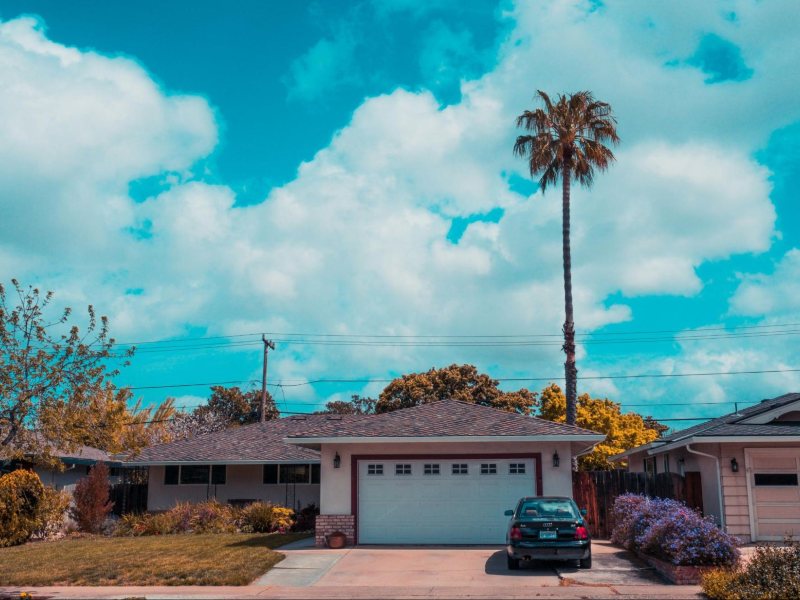
A garage door is an essential part of your home’s security, curb appeal, and overall functionality. Over time, however, wear and tear can take its toll. Whether due to age, damage, or mechanical issues, certain signs indicate it may be time to replace your garage door. Here are five key signs that you should consider replacing your garage door rather than just repairing it.
Frequent Malfunctions and Inconsistent Operation
One of the clearest signs that your garage door may need to be replaced is if it frequently malfunctions or doesn’t operate smoothly. If your garage door struggles to open or close, or if it requires constant adjustments or repairs, this can be a sign that the door’s components are wearing out beyond repair.
Our friends at Justin Hodges & The Woodlands Garage Door Service have provided us with some common issues of garage door malfunction:
- Sluggish movement: The door moves too slowly or hesitates during operation.
- Uneven movement: The door may become off-balance or open and close at different speeds.
- Loud, grinding noises: Noises like grinding or screeching may indicate that the door is misaligned or that parts like springs, rollers, or tracks are worn out.
If the door frequently malfunctions, it may cost more to repair it than to replace it with a newer, more reliable model. A professional technician can assess the door’s condition, but repeated issues are a sign that the door’s internal mechanisms are past their prime.
Visible Damage or Deterioration
Physical damage is another obvious sign that your garage door may need to be replaced. While minor dings or scratches may be fixable with a little touch-up, extensive damage can compromise the door’s safety and appearance. Look for the following types of damage:
- Cracked or dented panels: Over time, impact from vehicles, storms, or other accidents can create large dents or cracks in the panels. If the panels are no longer structurally sound, they may need to be replaced.
- Rust or corrosion: Garage doors made of metal can rust, especially if they’ve been exposed to moisture or harsh weather conditions. Rust not only detracts from the door’s aesthetic appeal but also weakens the material over time.
- Wood rot: For wooden garage doors, rot or warping can be a problem, especially in areas with high humidity or rain. If the wood is deteriorating, it’s often more cost-effective to replace the door entirely than to attempt repairs.
Even if the door’s functionality still works, extensive visible damage can severely impact your home’s curb appeal and property value. Replacing the door can instantly improve the look of your home and restore its appearance.
High Energy Bills
Older garage doors, especially those that are not insulated, can contribute to higher energy bills. If you’ve noticed an increase in your heating or cooling costs, your garage door may be a culprit. Uninsulated doors can allow hot or cold air to seep into the garage, making it harder to maintain a consistent temperature in the rest of your home.
Upgrading to an energy-efficient, insulated garage door can make a significant difference in your utility bills. Insulated doors help regulate the temperature inside the garage, which can have a direct impact on the comfort of your home and reduce the strain on your heating and cooling systems.
In addition, modern garage doors come with better sealing and weatherproofing, which further helps in keeping the temperature regulated and preventing drafts. If your garage door is not insulated or if it’s over 15 years old, replacing it with a more energy-efficient model can offer long-term savings.
Safety Concerns
A malfunctioning or outdated garage door can pose serious safety risks to you and your family. Older garage doors, especially those with outdated safety features, may not comply with modern safety standards, potentially resulting in accidents or injuries.
Some common safety concerns include:
- Lack of safety sensors: Modern garage doors are equipped with photo-eye sensors that prevent the door from closing if there’s an obstruction in its path. Older doors might not have this feature, posing a danger to children, pets, or even vehicles.
- Worn-out springs: Garage door springs carry a lot of tension and support the door’s weight. Over time, these springs can wear out, causing the door to fall or become stuck. This can lead to serious injury if the spring breaks unexpectedly.
- Inoperable emergency release: If your garage door’s emergency release is not functioning, you may not be able to manually open the door in case of a power failure or emergency.
If you are concerned about the safety of your garage door, especially if it’s more than 10 years old, it may be time for a replacement. Modern doors come equipped with advanced safety features, such as automatic reversal, sensors, and better spring systems, which offer greater peace of mind.
Outdated Design and Poor Curb Appeal
Finally, if your garage door looks outdated or is inconsistent with the design of your home, replacing it can significantly improve your property’s curb appeal. A garage door often takes up a large portion of the front view of your house, and a stylish, modern garage door can elevate the overall look of your home.
Older doors may have an outdated design, be in colors that no longer match your home’s exterior, or be made of materials that don’t complement the rest of your architecture. Newer garage door designs offer a wider range of customization options, including:
- Modern materials: Materials like steel, fiberglass, and wood composites offer durability and a fresh look.
- Color and texture options: You can choose from a wide variety of finishes, colors, and textures to match your home’s style.
- Window inserts: Adding windows or decorative panels can brighten up your garage and add architectural interest.
If your garage door is negatively affecting your home’s curb appeal or if it simply looks worn out, replacing it with a new, stylish model can drastically improve the overall aesthetic of your home.
Conclusion
A garage door replacement is a significant investment, but if your door is showing signs of frequent malfunctions, visible damage, energy inefficiency, safety concerns, or poor appearance, it may be time to consider replacing it. Modern garage doors are safer, more energy-efficient, and available in a wide range of designs that can complement the look of your home. If you’re unsure whether you need to replace your garage door, consult with a professional who can assess its condition and provide recommendations for replacement or repair.
By addressing these signs early on, you can avoid further damage, enhance the safety and efficiency of your home, and enjoy a more attractive and functional garage door for years to come.