
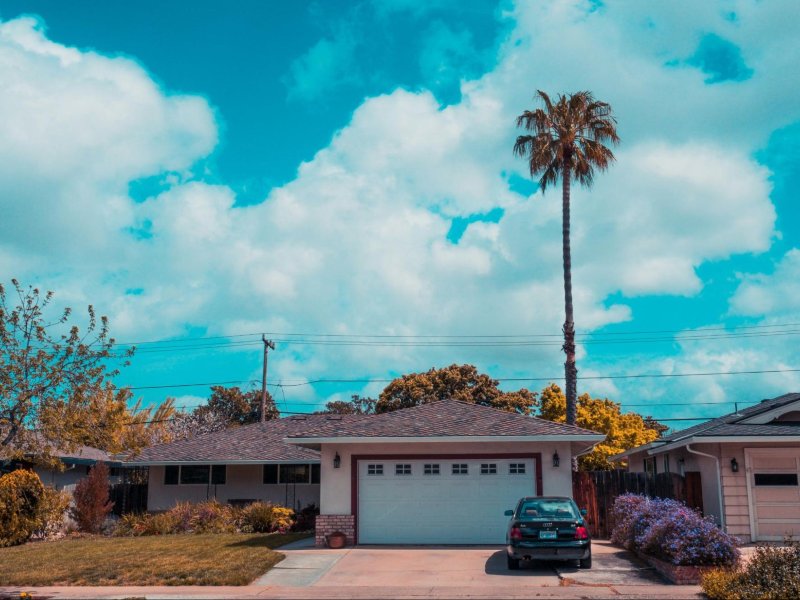
A noisy garage door can be more than just an annoyance; it may signal underlying issues that need attention. If your garage door creaks, squeals, or grinds during operation, it’s essential to identify and address the cause to ensure the longevity and safe function of the door. Here, we’ll explore the most common causes of a noisy garage door and provide practical solutions to restore peace to your home.
Lack of Lubrication
One of the most common reasons for a noisy garage door is inadequate lubrication. According to our pals at Door Pros, moving parts such as rollers, hinges, and springs require regular lubrication to function smoothly. Without it, these components can create friction and produce squeaking or grinding sounds.
Solution
- Use a silicone-based lubricant or garage door-specific lubricant on the hinges, rollers, springs, and tracks. Avoid using grease, as it can attract dirt and debris.
- Apply the lubricant at least twice a year to keep your garage door operating quietly.
Worn or Damaged Rollers
Garage door rollers play a critical role in the smooth movement of the door along the tracks. Over time, these rollers can wear out, become misaligned, or even break, leading to rattling or grinding noises during operation.
Solution
- Inspect the rollers for signs of wear or damage, such as cracks or flat spots.
- Replace worn or damaged rollers with high-quality nylon rollers, which are quieter than metal ones.
- Consider hiring a professional for roller replacement to ensure proper installation.
Loose Hardware
A garage door’s movement can cause screws, bolts, and other hardware to loosen over time. Loose components may vibrate or rattle during operation, creating unnecessary noise.
Solution
- Check all the bolts, screws, and nuts on the garage door and its tracks.
- Tighten any loose hardware using the appropriate tools.
- Be cautious not to overtighten, as this can damage the components.
Misaligned Tracks
Tracks guide the garage door’s movement, and if they’re bent or misaligned, the door may produce grinding or scraping sounds. Misaligned tracks can also lead to more serious operational issues if left unaddressed.
Solution
- Inspect the tracks for visible bends or gaps between the track and rollers.
- Use a rubber mallet to gently realign bent sections of the track.
- For severe misalignment or damage, consult a professional garage door technician.
Worn or Broken Springs
Garage door springs counterbalance the door’s weight and enable smooth operation. When springs become worn or broken, they can create loud banging or popping sounds. Broken springs can also make the door difficult or unsafe to operate.
Solution
- Inspect the torsion or extension springs for signs of wear, rust, or damage.
- Replace worn or broken springs immediately. This task can be dangerous, so it’s best to hire a professional to handle spring replacement.
Faulty Garage Door Opener
The garage door opener itself can be a source of noise. Chain-driven openers, in particular, are known for their loud operation, while belt-driven or screw-driven models tend to be quieter.
Solution
- Check the opener’s chain or belt for tension and adjust it as needed.
- Consider upgrading to a quieter belt-driven garage door opener if the noise level is a consistent issue.
- Regularly maintain the opener’s motor and other moving parts by following the manufacturer’s guidelines.
Hinges and Bearings
Hinges connect the panels of the garage door and allow it to bend as it opens and closes. Bearings, on the other hand, support the torsion springs and ensure smooth rotation. If these components are worn or damaged, they can produce squeaking or grinding noises.
Solution
- Inspect the hinges and bearings for signs of wear, rust, or damage.
- Replace damaged hinges or bearings with compatible parts.
- Apply lubricant to hinges and bearings to reduce friction.
Garage Door Panels
Loose or damaged panels can vibrate or rattle as the door moves. This issue is more common in older garage doors with worn-out panels.
Solution
- Inspect the panels for signs of damage or looseness.
- Tighten any loose screws or brackets holding the panels in place.
- Replace damaged panels to maintain the door’s structural integrity and appearance.
Environmental Factors
Changes in temperature and humidity can affect the metal components of your garage door, causing them to expand or contract. This can lead to creaking or popping noises, particularly during seasonal transitions.
Solution
- Regular maintenance, including lubrication, can help mitigate noise caused by environmental factors.
- Ensure the garage is well-insulated to minimize temperature fluctuations.
Age of the Garage Door
An older garage door may naturally produce more noise due to wear and tear on its components. If your door is over 15-20 years old, it might be time to consider a replacement.
Solution
- Replace the garage door with a newer, more modern model designed for quieter operation.
- Look for doors with nylon rollers and insulated panels for added noise reduction.
Preventative Maintenance Tips
To keep your garage door running smoothly and quietly, follow these preventative maintenance tips:
- Perform regular inspections: Check for signs of wear or damage on all components.
- Keep it clean: Remove dirt and debris from the tracks and other moving parts.
- Schedule annual professional maintenance: A technician can identify and address potential issues before they escalate.
When to Call a Professional
While some noisy garage door issues can be resolved with basic maintenance, others require the expertise of a professional. If you’re unsure about the cause of the noise or don’t have the tools and experience to perform repairs safely, contact a garage door technician for assistance.
Conclusion
A noisy garage door is often a sign of underlying issues that should not be ignored. By identifying the cause and taking appropriate action, you can restore quiet operation and prolong the life of your garage door. Regular maintenance and timely repairs not only keep your door functioning smoothly but also enhance the safety and convenience of your home. Don’t let noise disrupt your daily routine—take steps today to address your garage door’s needs.