
Presented by Radio Controlled Garage Door & Gate
How to Spot Failing Garage Door Springs Your garage door is one of the most used entry points to your home. Whether you’re heading out to work, coming home with groceries, or simply letting the kids play outside, you rely on that door to open and close safely and smoothly every time. But what happens when the springs—the hidden heroes behind your door’s smooth operation—begin to fail?
At Radio Controlled Garage Door & Gate, we understand the frustration and potential danger of a garage door that suddenly stops working. That’s why we’re here to guide you through how to spot the signs of failing garage door springs before they break—so you can stay ahead of unexpected breakdowns and costly repairs.
The Role of Garage Door Springs
Before we dive into the warning signs, it’s important to understand what garage door springs actually do.
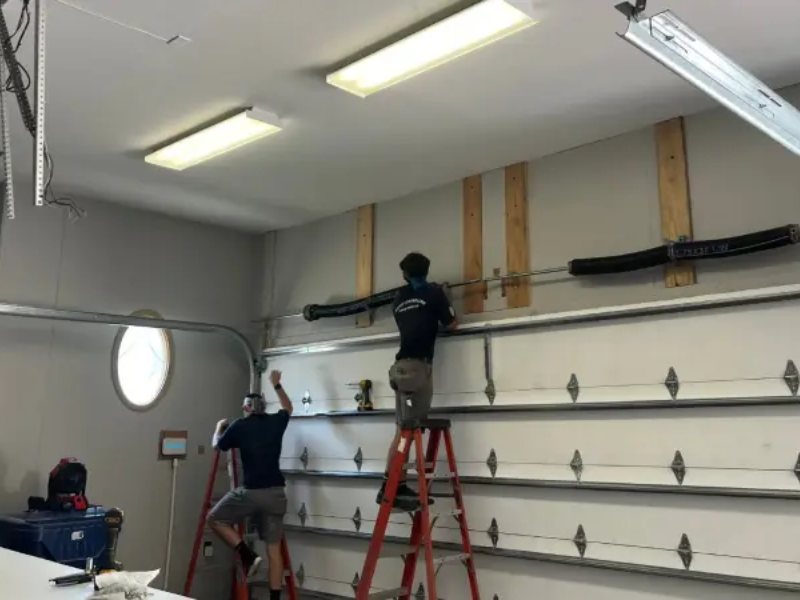
Garage door springs are counterbalance systems that bear the weight of your door. Whether you have torsion springs (mounted horizontally above the door) or extension springs (located along the tracks on either side), their main function is to make it easier to lift and lower the door—either manually or with a garage door opener.
When these springs start to fail, they create strain on your opener, make the door harder to operate, and, if left unchecked, can snap—causing serious damage or injury.
Why It Matters to Catch Spring Issues Early
When a spring breaks, it doesn’t give a polite warning—it snaps with force. In some cases, a broken spring can lead to a sudden, heavy crash of the door, trapping your vehicle, or putting your loved ones in harm’s way.
By learning to identify the warning signs of failing springs, you become the guide who protects your home and prevents chaos before it strikes.
7 Signs Your Garage Door Springs Are Failing
Let’s walk through some clear warning signs that your springs may be approaching failure.
1. Your Garage Door Feels Heavy
If your garage door suddenly feels heavier when lifting it manually, your springs may be losing their tension. A properly functioning spring system should make your door feel almost weightless. That “heavy” feeling? That’s you lifting a 150–300 lb door without help.
Your Next Step: If you notice this, stop using the door and call a professional immediately. Continuing to operate it may lead to a complete spring failure.
2. The Door Opens Crookedly or Jerks
Garage doors should open smoothly and evenly. If one side starts to lag behind the other, especially with extension springs, one spring may be wearing out faster than the other—or has already broken.
Your Next Step: This issue can put torque on your tracks and rollers, potentially leading to further damage. Avoid forcing the door open and schedule a repair.
3. You Hear a Loud Bang in the Garage
Many homeowners report hearing a gunshot-like noise in their garage—only to find their garage door no longer works. That loud bang is often the sound of a spring snapping.
Your Next Step: If you weren’t home to hear the snap but notice the door won’t open, check the spring (with the door closed). You’ll usually see a gap in the spring coil where it broke.
4. Gaps in the Spring Coils
Take a visual look at your torsion springs. According to Tampa Magazine, if there’s a visible 2- to 4-inch gap between the coils, that spring is broken. Even if one spring looks intact, garage doors with dual springs should always have both replaced at the same time for balance and performance.
Your Next Step: Never try to manually fix or wind the spring—this can be dangerous. Call in a professional technician to safely replace them.
5. You Hear Squeaking or Grinding Noises
While some minor squeaking can happen with changes in temperature or humidity, consistent loud noises are a red flag. It may indicate friction caused by misaligned springs, rust buildup, or early failure.
Your Next Step: A trained technician can inspect and lubricate your springs—or replace them if they’re nearing the end of their lifespan.
6. The Door Moves Slowly or Stops Midway
If your door opener is struggling, or the door moves slower than normal, the springs may no longer be helping to carry the weight. This can cause your garage door opener motor to burn out over time.
Your Next Step: Don’t assume the opener is the problem. Have a professional inspect the entire spring system.
7. You’ve Hit the 7–10 Year Mark
Garage door springs are rated for a certain number of cycles (one cycle = one open and close). Most springs last 7–10 years depending on use—less for high-traffic garages.
Your Next Step: If it’s been several years since your springs were inspected or replaced, schedule a maintenance check to assess their condition and avoid surprise failures.
What to Do If You Suspect a Spring Problem
When a spring is failing, time is not on your side. DIY fixes can be extremely dangerous—even deadly—due to the amount of tension stored in the springs. The best course of action is to contact a trained garage door technician who can assess, repair, or replace the system safely and correctly.
Why Homeowners Trust Radio Controlled Garage Door & Gate
At Radio Controlled Garage Door & Gate, we believe every homeowner deserves a garage door that works safely, reliably, and without surprise. Our expert technicians specialize in spring inspections, repairs, and replacements, using high-quality parts designed to last.
When you call us, you get more than a repair—you gain peace of mind. You’ll receive:
- A thorough safety inspection
- Honest, upfront recommendations
- Same-day spring replacement in most cases
- High-cycle spring options for longer life
- Expert service backed by decades of experience
Take the Next Step Before It Breaks
If your garage door is showing any of the signs above—or you just want peace of mind—don’t wait until the spring snaps. Be the hero of your home and schedule an inspection with Radio Controlled Garage Door & Gate today.
Because when you stay ahead of the problem, you avoid the stress, damage, and danger of a broken spring—and that’s something you and your family deserve.