
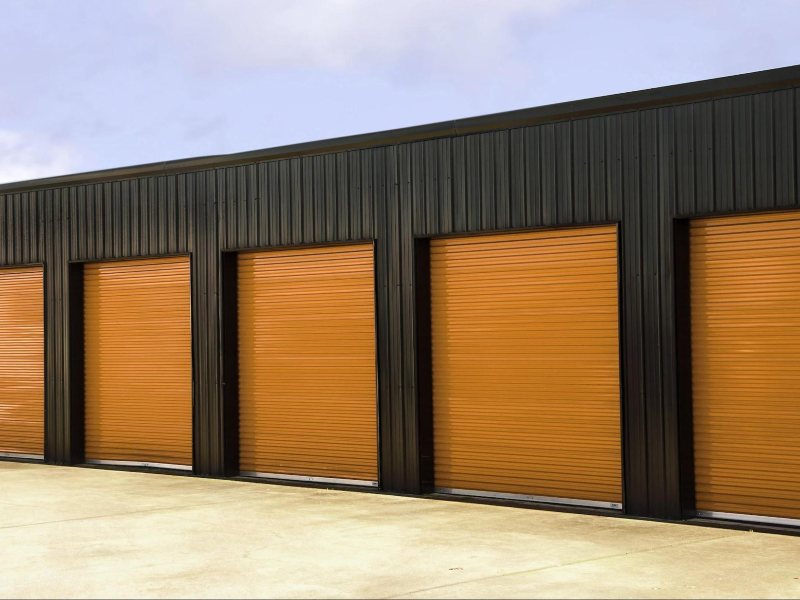
Commercial Garage Door Maintenance is essential for keeping your business running smoothly. Every business in Kansas City, Missouri that relies on commercial garage doors knows one truth: your garage door isn’t just an entrance—it’s a critical part of your daily operations. Whether you run an auto shop, a warehouse, a delivery center, or a manufacturing facility, the doors that open and close hundreds of times a day are vital to your productivity. But what happens when those doors stop working as they should?
At Radio Controlled Garage Door & Gate, we’ve seen too many businesses face unexpected downtime, safety hazards, and costly repairs—all because routine maintenance was overlooked. Let’s walk through why commercial garage door maintenance isn’t just helpful—it’s essential for protecting your business, your people, and your bottom line.
Why Commercial Garage Door Maintenance Matters
Imagine this: It’s Monday morning in Kansas City. Your team arrives ready to start the week, but the overhead commercial door won’t open. Deliveries are delayed. Employees stand around waiting. Customers can’t access your facility. Your business grinds to a halt.
This scenario happens more often than you’d think—especially when maintenance is ignored. Commercial garage doors operate under heavy stress, with parts like springs, cables, and rollers experiencing constant wear and tear. Neglect them, and small issues quickly escalate into major failures that lead to unplanned downtime and expensive emergency repairs.
You’re More Vulnerable Than You Think
When a commercial door malfunctions, it doesn’t just inconvenience your team—it jeopardizes safety, security, and efficiency:
Safety Risks
Commercial doors are heavy, powerful systems under high tension. Springs and cables that fail suddenly can cause serious injuries to employees or visitors. Malfunctioning safety sensors—like auto-reverse systems—can fail to stop a closing door if someone or something is in the way. Regular inspections confirm these safety features are operating as intended, which dramatically reduces the risk of accidents and workplace injuries.
Security Vulnerabilities
Doors that don’t close properly, move slowly, or stick open create security weaknesses that can attract theft or unauthorized access. In fact, compromised doors often make businesses easier targets because they appear neglected and vulnerable. Scheduled maintenance helps verify locking mechanisms and structural integrity so your property, equipment, and inventory stay protected.
Operational Downtime
A malfunctioning door can bring productivity to a screeching halt. High-traffic facilities—like distribution centers or auto repair shops—depend on fast, reliable door operation every day. When doors fail unexpectedly, workflows are disrupted, delivery schedules slip, and revenue is lost. Preventive maintenance catches issues before they cause breakdowns, keeping your business moving smoothly.
Costly Repairs and Energy Loss
Ignoring a worn part doesn’t make it go away—it makes it worse. A simple fix today may save you thousands tomorrow. For example, replacing a frayed cable before it snaps prevents damage to panels, tracks, and openers that could require extensive repairs. Likewise, worn weather seals or misaligned panels can let conditioned air escape, raising your heating and cooling costs unnecessarily.
The Preventive Advantage: What Maintenance Actually Does
So what does a professional commercial garage door maintenance program include—and why is it so powerful?
1. Comprehensive Inspections
Technicians check every critical component: springs, cables, rollers, tracks, and opener systems. By identifying signs of strain or fatigue early, they can act before a part fails under stress.
2. Lubrication and Adjustment
Moving parts need proper lubrication to reduce friction and prevent premature wear. Hinges, rollers, and tracks that move smoothly not only extend the life of individual components but also reduce the strain on motors and openers.
3. Safety Feature Testing
Auto-reverse sensors, photo-eye sensors, and emergency release systems are tested to make sure they respond correctly when needed. These safety checks protect people and property.
4. Weather Seal and Alignment Checks
Worn seals and misaligned panels can let in drafts or debris, undermining energy efficiency and comfort. Maintenance replaces weather stripping and realigns door paths to keep your building secure and properly insulated.
5. Documentation and Compliance
Many industries require documentation demonstrating that equipment is maintained. Regular service logs help satisfy safety audits, comply with regulations, and show due diligence in protecting your workplace.
How Often Should You Maintain Your Doors?
Maintenance needs depend on usage, environment, and door type. For most businesses, professional service at least once or twice a year is recommended to catch issues before they grow. High-traffic or heavy-duty doors may benefit from quarterly checks.
The Bottom Line: A Small Investment With Big Returns
Routine maintenance isn’t just about avoiding trouble—it’s about protecting your business’s future:
✔ Fewer emergencies
✔ Longer equipment life
✔ Lower repair costs over time
✔ Improved safety and security
✔ Stable energy costs
✔ Reliable daily operations
It’s the peace of mind that comes from knowing your doors will work when you need them most—every day.
Radio Controlled Garage Door & Gate: Your Partner in Protection
At Radio Controlled Garage Door & Gate in Kansas City, Missouri, we specialize in commercial garage door maintenance designed for the real demands of local businesses. We know that when your door works, your business works—on schedule, safely, and without interruption.
Your doors are more than metal and motors—they’re part of your business’s heartbeat. Let us help you keep them healthy.