
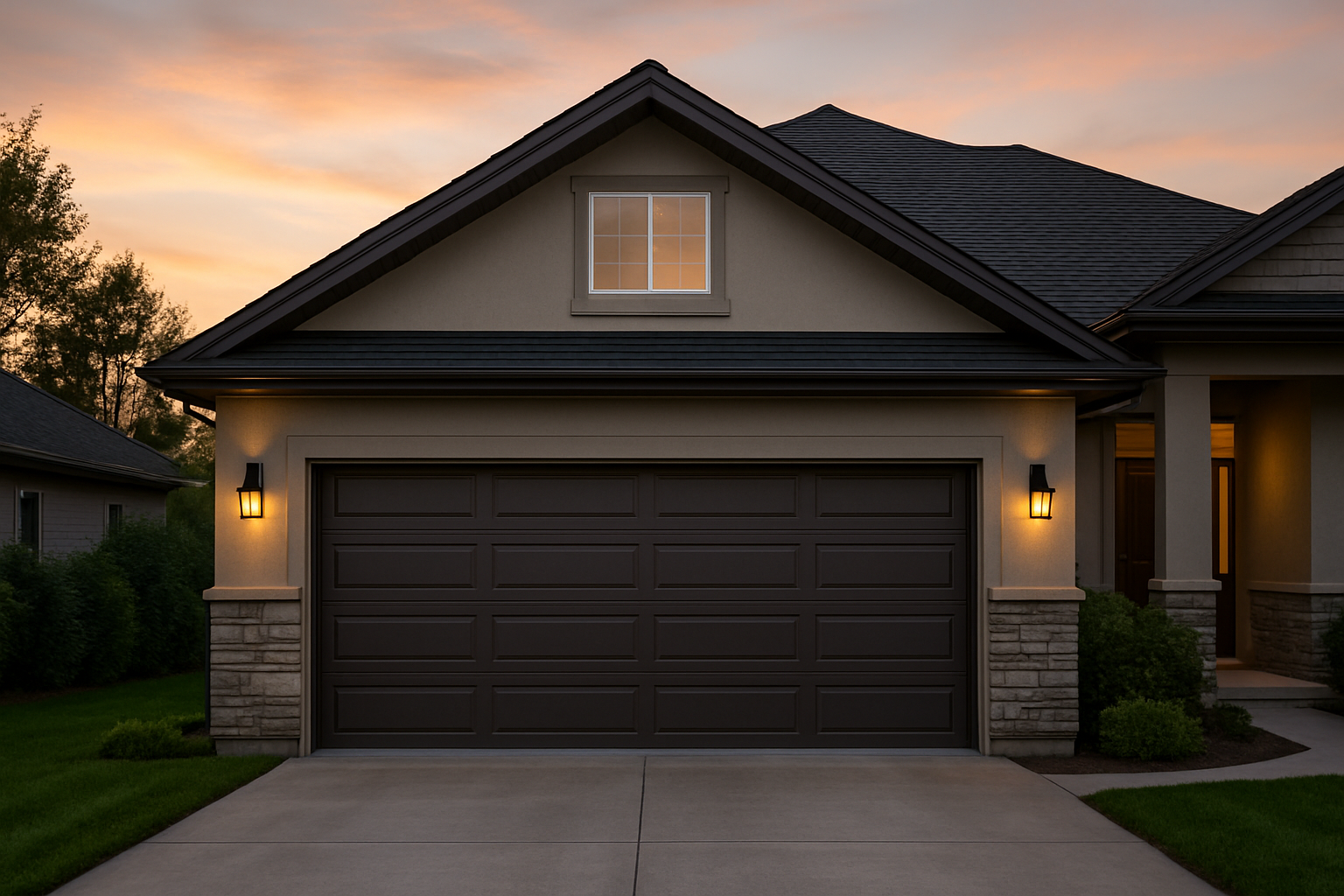
Quiet garage door operation is something every Kansas City homeowner deserves, yet far too many people start and end their day with rattling, grinding, or squealing sounds that echo through the house. A noisy garage door is more than an annoyance — it can be a sign of worn parts, poor lubrication, or structural issues that need attention. If you live in Kansas City, Kansas and the racket coming from your garage is disrupting your family, your neighbors, or your sleep, you are not alone. Fortunately, there are practical steps you can take to bring that noise down to a whisper.
Kansas City homeowners deal with a range of weather conditions throughout the year, from hot and humid summers to freezing winters, and those temperature swings take a real toll on garage door hardware. Metal parts expand and contract, lubricants dry out, and springs lose tension — all of which contribute to a louder door over time. Understanding why your garage door is making noise in the first place is the first step toward solving the problem for good. Whether your door is banging on the way down, grinding when it rolls, or vibrating so hard it shakes the walls, there is a targeted fix available.
Radio Controlled Garage Door and Gate has been serving the Kansas City, Kansas area with honest, professional garage door service that local families trust. If you want to learn more about the team behind the work, the About page gives you a full picture of the company’s background, values, and commitment to the community. Licensed, bonded, and insured, this team brings the kind of credibility that homeowners in Kansas City rely on when they need a job done right the first time.
Getting a quiet garage door does not have to mean buying a brand new unit. In many cases, targeted maintenance and part replacements are all that stand between you and a smooth, silent operation every single morning. Radio Controlled Garage Door and Gate offers free estimates so you know exactly what you are dealing with before any work begins, and satisfaction is guaranteed on every service call. If you are curious about the full range of solutions available, the Services page outlines everything the company provides to Kansas City area homeowners.
Why a Quiet Garage Door Matters More Than You Think
A quiet garage door is not just about comfort — it is about the health of your entire garage door system. When a door rattles and bangs, it is telling you that components are under stress. Loose hardware, worn rollers, and unbalanced springs all generate noise, and they all cause accelerated wear that can lead to costly breakdowns if left unaddressed. Catching these problems early, when they are still making noise but before they cause a full failure, is one of the most cost-effective things a Kansas City homeowner can do.
Think about how often you use your garage door on a typical day. Most households cycle their door several times daily, which adds up to thousands of cycles every year. Each of those cycles puts mechanical stress on springs, cables, tracks, and rollers. When the system is properly maintained and balanced, a quiet garage door is a natural result. When it is not, the noise compounds with each use, and the risk of a sudden failure grows proportionally.
Beyond mechanical concerns, noise from a garage door affects quality of life in ways homeowners often underestimate. If you have a bedroom above or adjacent to the garage, a loud door can interrupt sleep. If you have young children or work from home, the constant banging and grinding creates unnecessary stress. Investing in a quiet garage door solution is an investment in the peace and comfort of your entire household.
- Inspect and tighten all nuts, bolts, and roller brackets along the door tracks to eliminate vibration-related rattling.
- Apply a high-quality, non-silicone garage door lubricant to hinges, rollers, springs, and the opener’s chain or drive screw at least twice a year.
- Replace metal rollers with nylon rollers, which run significantly quieter and do not require lubrication as frequently.
- Install anti-vibration pads or rubber isolators between the garage door opener and the ceiling mount to reduce motor vibration transferred into the structure.
- Check the door’s balance by disconnecting the opener and manually lifting the door halfway — if it does not stay in place, the springs need professional adjustment.
- Inspect the weatherstripping along the bottom and sides of the door, and replace any sections that are worn, cracked, or missing to reduce impact noise when the door closes.
- If the garage door opener’s chain or belt is loose, have a professional adjust the tension to eliminate slapping and vibration during operation.
Steps to Achieve a Quiet Garage Door in Kansas City
Reaching a truly quiet garage door in Kansas City requires a systematic approach. Random lubrication or tightening one bolt here and there will rarely solve persistent noise problems. What works is going through the door from top to bottom in a logical sequence, addressing each potential noise source before moving on to the next. This kind of methodical service is exactly what Radio Controlled Garage Door and Gate provides, and it is why Kansas City homeowners call them when DIY attempts have not delivered the silence they were hoping for.
It is also worth noting that some noise sources, especially those involving springs, cables, and the door’s tracking system, carry real safety risks when homeowners attempt to fix them without professional training. Garage door springs are under extreme tension and can cause serious injury if handled incorrectly. If you suspect your springs or cables are part of the problem, the safest move is to schedule a professional inspection rather than attempting repairs yourself. Radio Controlled Garage Door and Gate offers free estimates and sends licensed, bonded, and insured technicians to every Kansas City job.
- Start with a full visual inspection of the door, looking for bent tracks, cracked panels, loose hardware, and worn rollers that may be causing excess noise during operation.
- Tighten every bolt, nut, and screw along the door’s track and mounting hardware using a socket wrench, being careful not to overtighten and strip threads.
- Apply a garage-door-specific lubricant to all moving metal parts including hinges, rollers, springs, and the opener’s drive mechanism — wipe away any excess to prevent dripping.
- Replace any metal rollers with nylon rollers, starting at the bottom bracket and working upward, avoiding the bottom bracket on each side which is attached to the cable and should only be handled by a professional.
- Test the door’s balance by disconnecting the automatic opener and manually moving the door to waist height — if it falls or rises on its own, contact a professional to adjust spring tension.
- Install rubber anti-vibration pads between the opener motor and the ceiling mount to reduce structure-borne noise transmission into the home.
- Schedule a professional tune-up with Radio Controlled Garage Door and Gate to verify that all adjustments are correct, that the door is operating safely, and that your quiet garage door will stay that way for the long term.
FAQ: Quiet Garage Door Questions from Kansas City Homeowners
How do I know if my garage door noise is a safety concern or just an annoyance?
A quiet garage door should be your baseline expectation, and any new or worsening noise warrants attention. Grinding or scraping sounds often indicate worn rollers or debris in the tracks. Loud banging or popping noises can signal spring problems, which are a safety concern and should be inspected by a professional immediately. Squealing and squeaking are typically lubrication issues, while rattling usually points to loose hardware. When in doubt, call Radio Controlled Garage Door and Gate for a free estimate and professional assessment — they serve the Kansas City, Kansas area and can diagnose the problem safely.
What is the best lubricant to use for a quiet garage door?
The best lubricants for achieving a quiet garage door are products specifically formulated for garage door components, such as white lithium grease or a dedicated garage door lubricant spray. Avoid using WD-40 as a primary lubricant because it is a solvent and will dry out quickly, which can actually make noise worse over time. Apply lubricant to hinges, rollers, springs, and the opener’s chain, belt, or screw drive. Wipe away excess to keep the system clean. If you are unsure which product to use or how to apply it correctly, a professional technician from Radio Controlled Garage Door and Gate can handle it as part of a routine tune-up.
How much does it cost to quiet a noisy garage door in Kansas City?
The cost to quiet a garage door in Kansas City depends on what is causing the noise. Simple lubrication and hardware tightening is a straightforward and affordable service. Replacing rollers, adjusting springs, or installing anti-vibration hardware adds to the cost but is still far less expensive than a full door replacement. Radio Controlled Garage Door and Gate offers free estimates to every Kansas City homeowner, so you will have a clear picture of costs before any work begins. With their satisfaction-guaranteed approach, you can invest in a quiet garage door solution with complete confidence.
Conclusion
A quiet garage door is not a luxury — it is a reasonable expectation for any well-maintained home in Kansas City, Kansas. The good news is that most noise problems are solvable without replacing the entire door, and the even better news is that Radio Controlled Garage Door and Gate is right here in the Kansas City area, ready to help. With a team that is licensed, bonded, and insured, free estimates on every job, and a genuine satisfaction guarantee, there is no reason to put up with banging, grinding, or rattling for another day. Whether your door needs a simple tune-up or a more involved repair, the right help is just a phone call away.
Call Radio Controlled Garage Door and Gate for a noise reduction service. Call: 913-649-6636